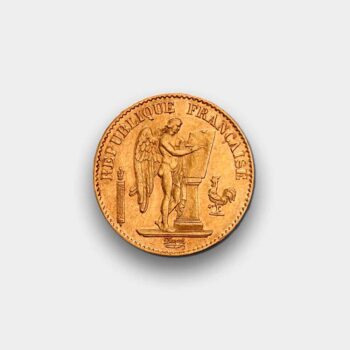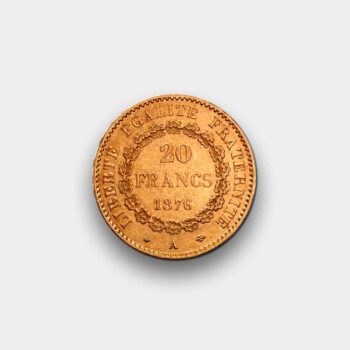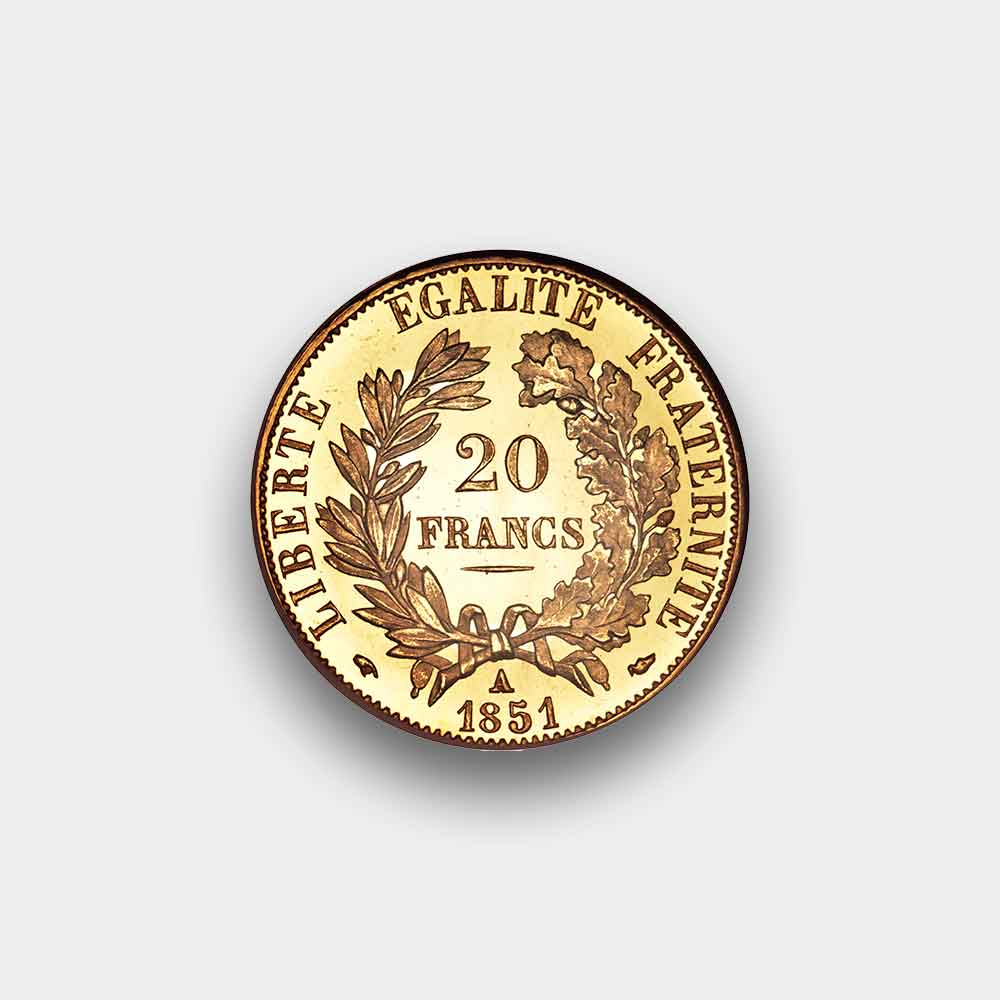
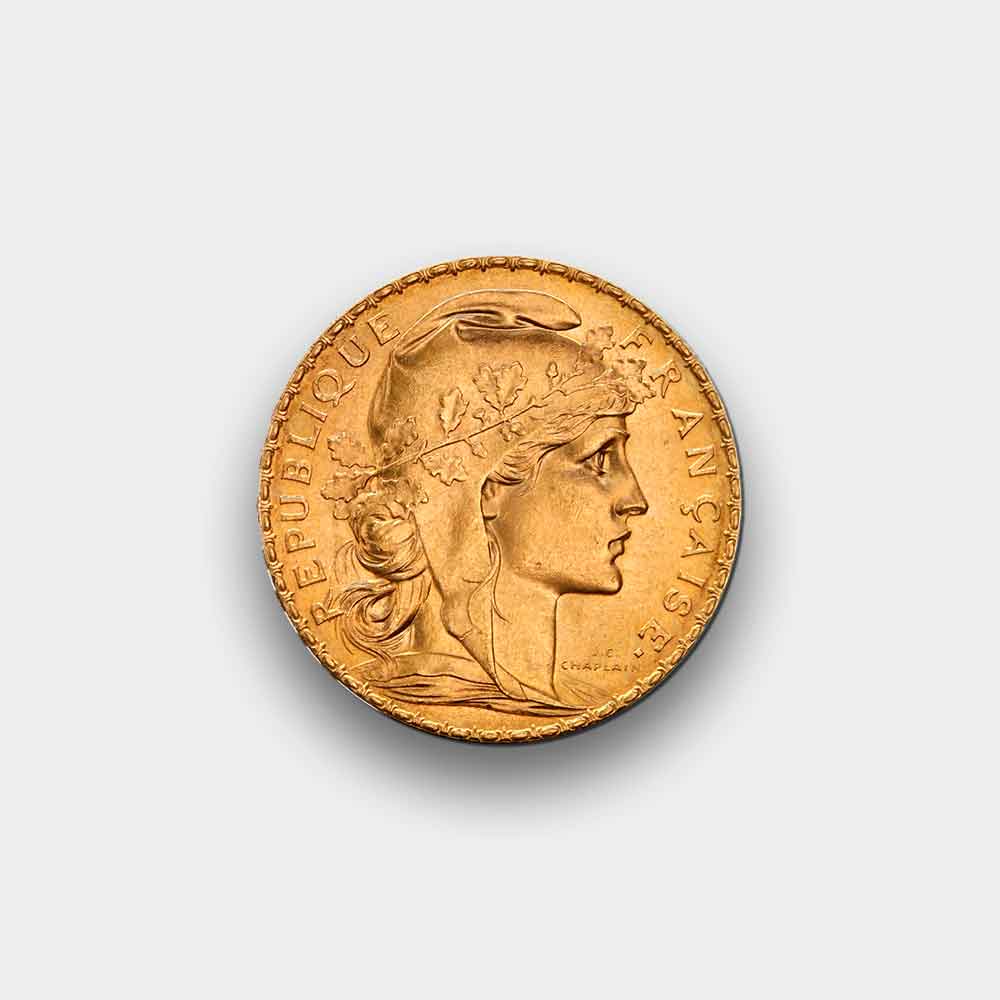
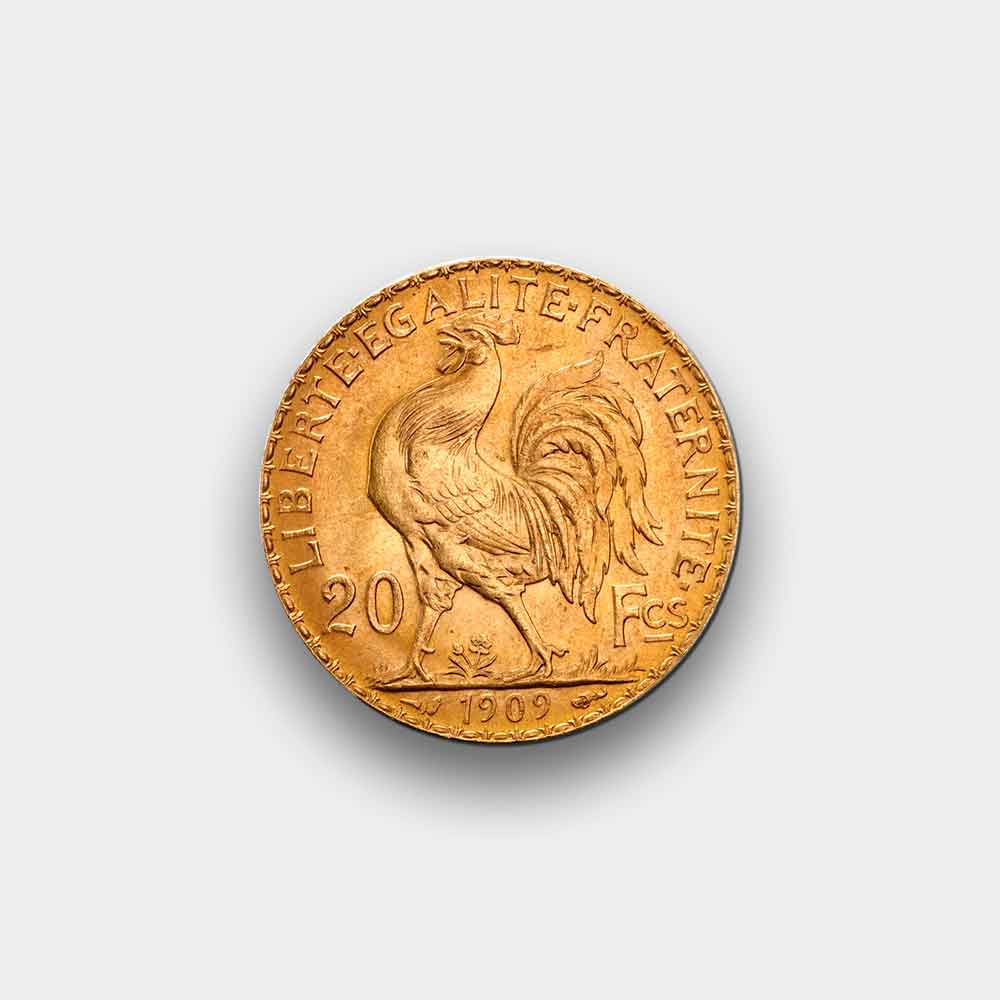
In times of market uncertainty, classic gold coins combine tangible value with cultural heritage. The French 20 Francs Marianne — officially struck by the Monnaies de Paris under the French Third Republic — contains approximately 5.80 grams of pure gold (90 % fineness) within a 6.45 g historic coin, authenticated by centuries-old minting tradition.
Favoured by both collectors and investors across Europe, this iconic coin features the symbolic figure of Marianne on the obverse and the Gallic rooster on the reverse, embodying liberty and national pride. Highly tradable with strong market liquidity and recognised by bullion dealers, it’s a compelling way to add certified gold to your holdings.
Don’t miss this opportunity to combine timeless design with enduring precious metal value — elevate your portfolio with this historic piece today.